dental care

Caption

Research Insights

Why doesn’t everyone have access to the dental care they need? Looking at how dentistry has been understood and regulated over time can help explain how we got here and what needs to change.

How Did Teeth Become Separated from Health? The Legal History Behind the Dental Access Crisis

Article written by Centre for People's Justice

Published 11 September 2026

Many of us take it for granted that looking after our teeth is part of looking after our health. But what if one reason access to dental care remains so difficult is that, for centuries, the law has treated teeth as somehow separate from the rest of the body? ¹
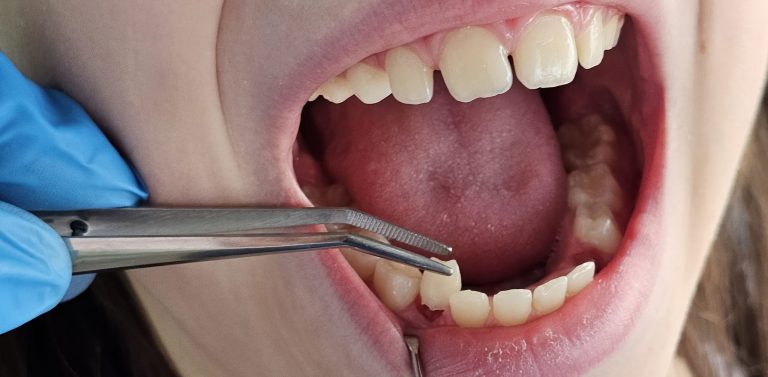

 

The idea sounds strange today. Yet historically, dentistry occupied an unusual place in society. While some forms of dental treatment developed alongside medicine, one of the most common responses to tooth problems was simply extraction. Tooth-pulling was often carried out not by doctors but by barber-surgeons, the tradesmen who also cut hair, shaved beards and treated minor injuries. In Tudor England, pulling teeth was considered such a basic task that it was specifically excluded from the specialist surgical activities protected by royal charter.

Even as dentistry became a recognised profession in the nineteenth century, a lingering perception remained that it was different from medicine. One medical journal declared that while medicine was a profession, dentistry was largely a business. Those assumptions did not simply disappear. They found their way into the laws and institutions that later shaped access to dental care.

For centuries the law has treated teeth as somehow separate to the rest of the body.

When the first national health insurance scheme was created in 1911, dental treatment was not treated as a core health service. Instead, it was classified as an additional benefit, something extra rather than essential. The same distinction carried forward into the debates that created the NHS. Policymakers recognised the importance of healthy teeth, but they continued to separate dental care from other forms of healthcare when making decisions about funding and patient charges.

Yet the public appeared to think differently. When the NHS began in 1948 and dental treatment became available without charge, demand was enormous. People flooded into the system seeking help they had previously been unable to afford. Many people had barely any teeth left at all by the time they reached middle-age. Dentures were particularly sought after, consuming a remarkable share of the dental budget. The popularity of the service revealed how important dental care was to people’s daily lives and wellbeing.

This separation of teeth and body has now become fossilised in the structure of the NHS, largely without question…we must ask whether a two-tier system based on outdated discourse is still appropriate, and how the law might be changed to bring dentistry in line with healthcare.
Dr Emily Kearon-Warrilow, Research Associate, Centre for People’s Justice

Within just three years, however, charges were introduced for dentures and later for dental treatment more generally. Universal dental care came to an end. Since then, generations of reforms have attempted to solve problems of access, funding and affordability, yet many have continued to operate within the same underlying assumption: that dentistry is somehow different from the rest of healthcare.

Our view is that research should focus on identifying solutions to the reality that there is no effective universal right to dental care.

Does that assumption still makes sense? If not, it calls into question whether the legal framework governing access to dental care needs a complete twenty-first century reset. Across the UK, people are increasingly searching for answers about affordable dental care, the cost of dental treatment, NHS dental charges, and what help is available when treatment cannot be afforded.

Our view is that research should focus not only on understanding the causes of the current crisis in access to dental care, but also on identifying solutions to the reality that there is no effective universal right to dental care. History suggests that a good place to start is by asking how the future might look different if the law treated oral health as an essential part of health itself.

[1] Based on research by Dr Emily Kearon-Warrilow