Access to NHS dentistry is one of the most significant health issues of our time, but it is also a pressing social justice issue. There is already substantial evidence about the health consequences of poor dental care. What is less well understood is how law and legal rights have contributed to the loss of access to free dental treatment, and what role law could play in restoring it.
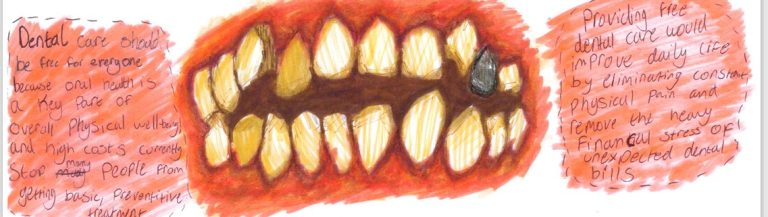
The Centre for People’s Justice held conversations in which members of the public described dental health as “severely lacking” in many parts of the UK. They said people of ordinary means are rapidly losing the ability to look after their teeth, being priced out of treatment and watching NHS dentistry disappear before their eyes. In many areas there is no NHS dentistry at all, while private dental care is simply unaffordable for most families. Increasingly, people delay treatment until problems become severe, leaving them with stark choices: try to access emergency care through an NHS dental hospital, take out loans to pay for private treatment, or resort to DIY dentistry.
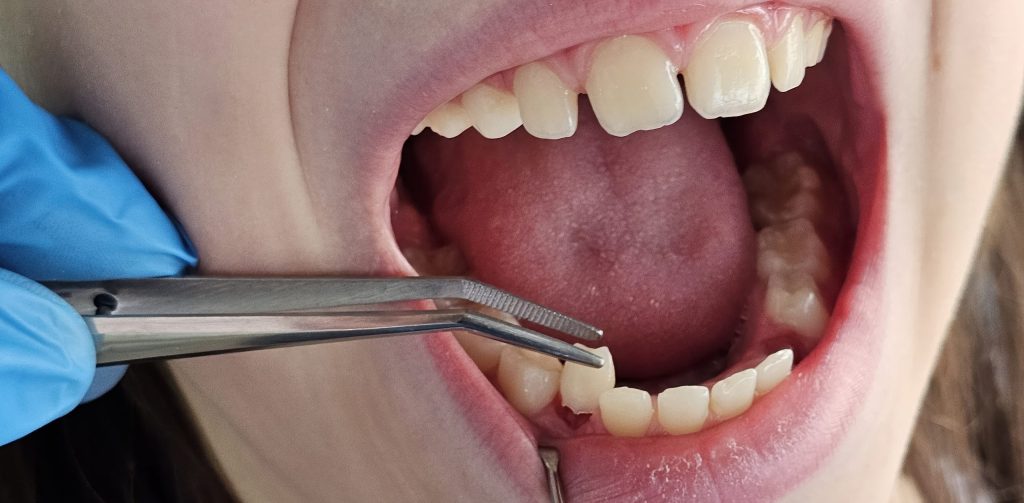
The consequences extend far beyond oral health. Public health research shows that tooth extraction is becoming one of the most common reasons children end up in hospital. Chronic dental pain contributes to social isolation and poor mental health. Some people lose jobs because they cannot continue working in pain. Others lose so many teeth that they struggle to access employment. Some fall into personal debt because they have borrowed money simply to see a dentist. Members of the public also described the impact on eating habits, wellbeing and the way people are treated by others because of their appearance or because they live with constant pain.